
What are you looking for?
Explore our services and discover how we can help you achieve your goals

Explore our services and discover how we can help you achieve your goals
How a multi-state logistics operator replaced site-by-site payroll spreadsheets with one rules-based compliance engine — and stopped discovering violations at audit time.
Work with this team
/02 Product tour
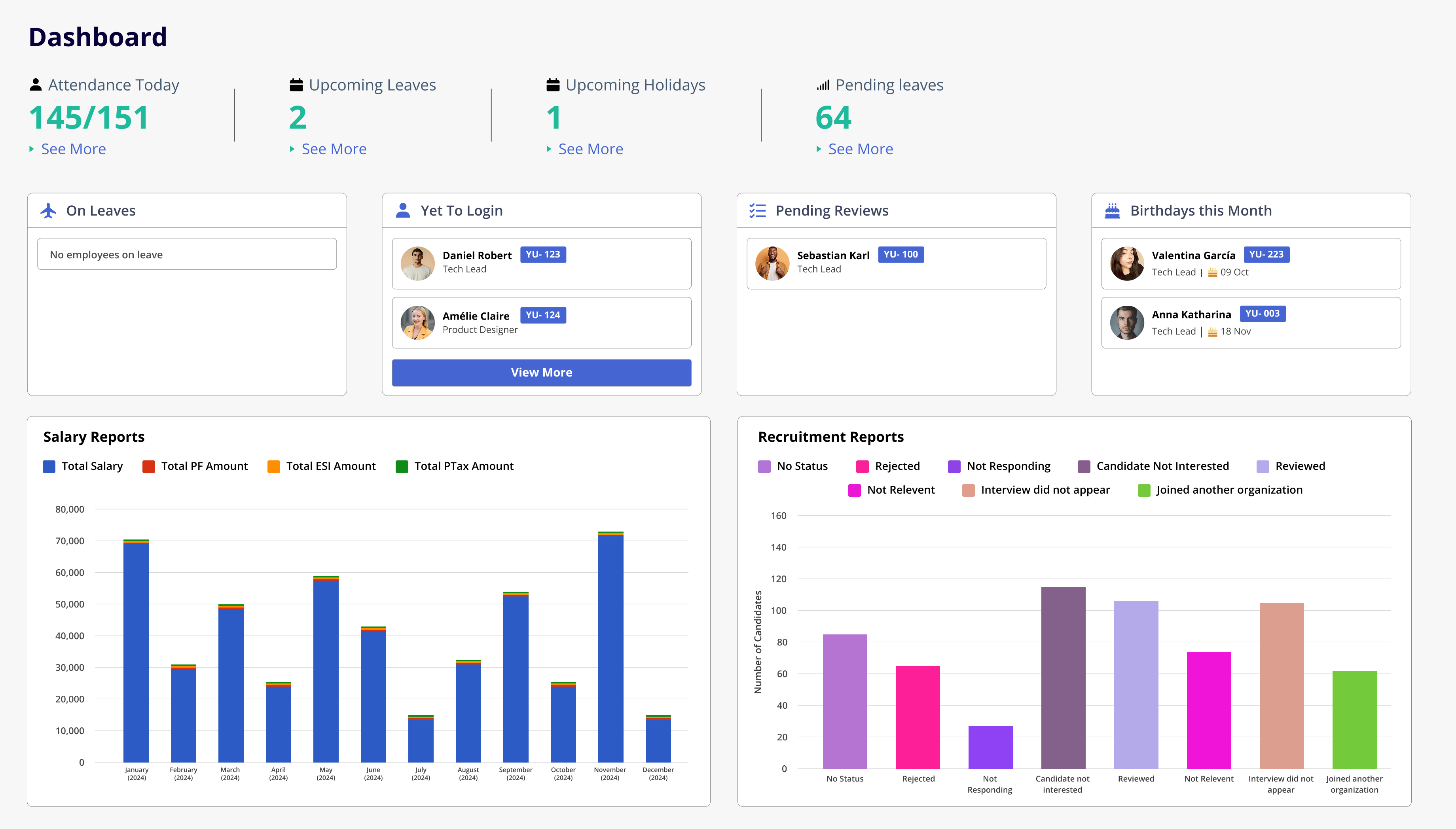
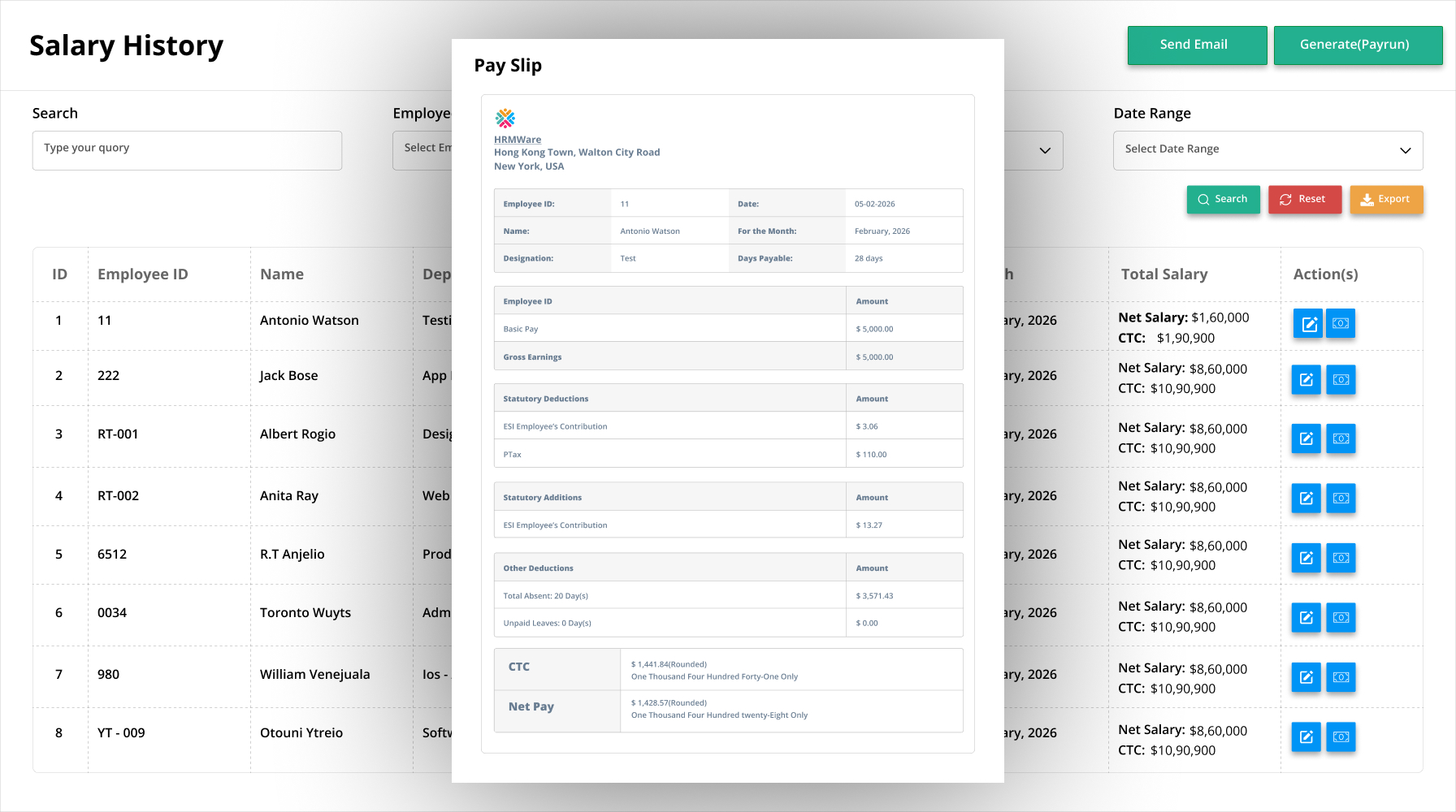
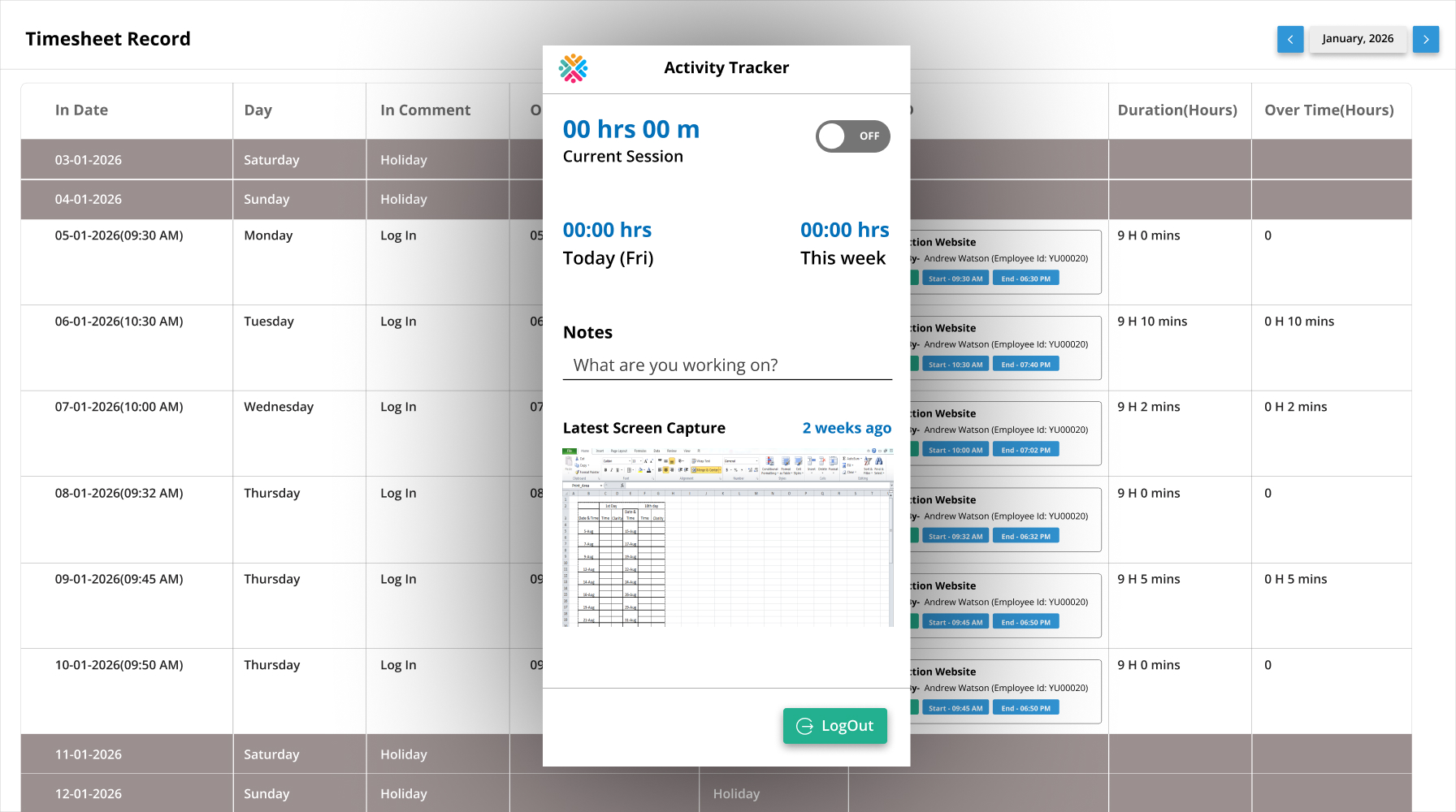
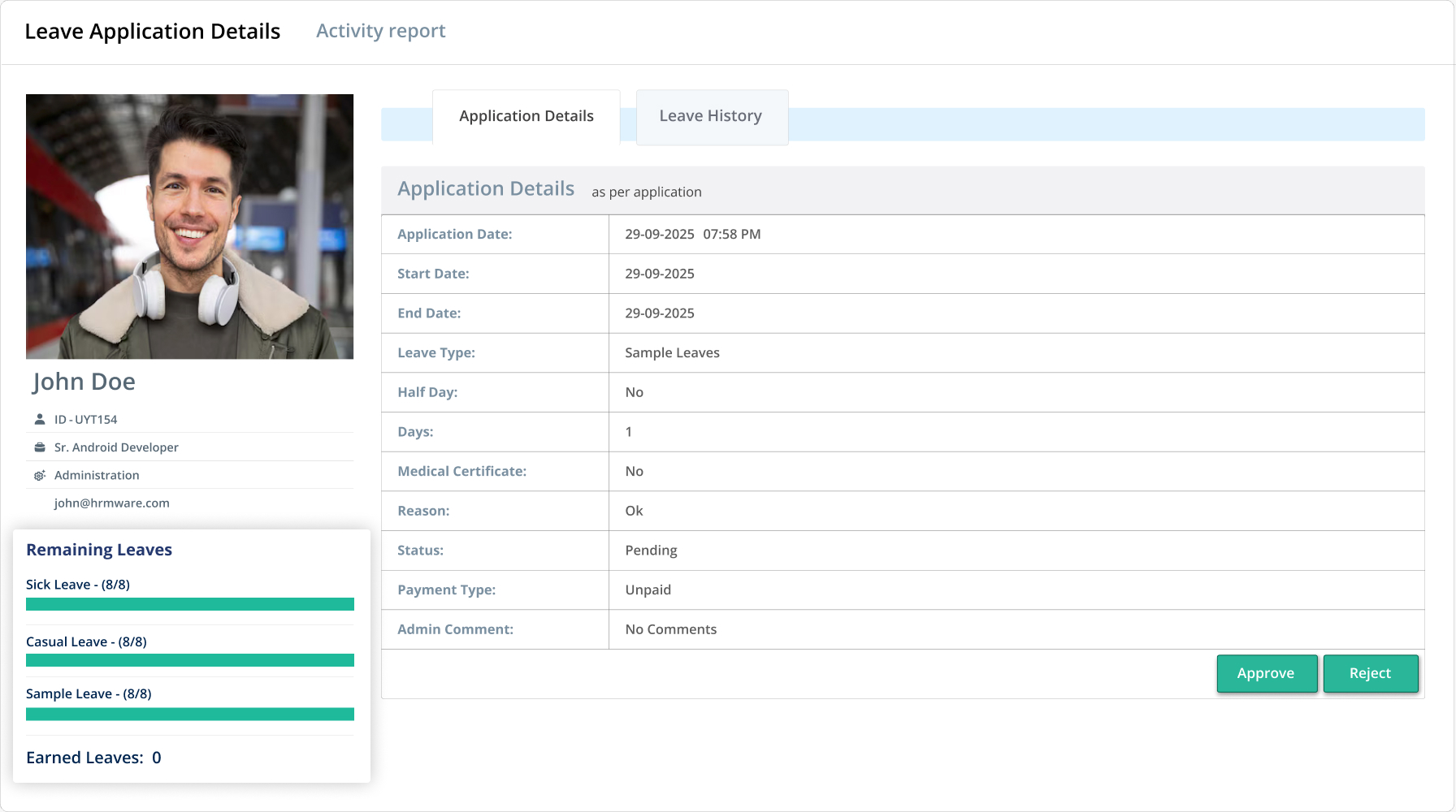
/03 Before
Every state the client operated in had its own minimum wage, overtime triggers, paid sick leave accrual and final-paycheck deadline. Site managers applied these rules from memory and local spreadsheets, so the same shift could be paid differently depending on who processed it.
Peak-season shift premiums and attendance bonuses were paid outside the payroll calculation. Under the FLSA, non-discretionary bonuses must be included in the regular rate used to calculate overtime — an error the Department of Labor regularly recovers back wages for. The client had no way to see how often it was happening.
Nothing flagged a problem when payroll ran. Errors surfaced months later through employee complaints or audits, when the fix meant back pay, liquidated damages and hours of forensic spreadsheet work to reconstruct what had been paid and why.
Opening a new site meant researching that state's rules, building a new spreadsheet template and hand-training the local manager. Payroll for a new location typically took three to four weeks to stabilise — exactly when the business most needed new sites to ramp quickly.
Leave accrued at different rates at different sites, and balances lived in local files. Employees transferring between warehouses often lost or gained leave incorrectly, generating disputes that HR had to resolve manually.
Federal and state rules require employers to retain accurate records of hours worked and wages paid. With data spread across emailed spreadsheets, the client could not reliably show who changed a timesheet, when, or why.
/04 After
We encoded each state's minimum wage, overtime thresholds (weekly and, where applicable, daily), paid-leave accrual and final-pay rules as versioned rule sets in HRMWare. Every hour worked is tagged with a work location, so the correct rules apply automatically — even when an employee works at two sites in the same week.
Shift premiums, attendance bonuses and other non-discretionary payments now flow into HRMWare's regular-rate calculation before overtime is computed. Overtime is correct by construction instead of corrected after the fact.
Before every pay run, HRMWare validates each employee against the applicable rule set and blocks the run on exceptions such as below-minimum effective rates, missing breaks or unapproved overtime. Payroll staff resolve issues before money moves, not after an audit.
New warehouses launch from a pre-built state compliance template covering pay rules, leave policies, holiday calendars and approval chains. Standing up payroll for a new location became a configuration task measured in days.
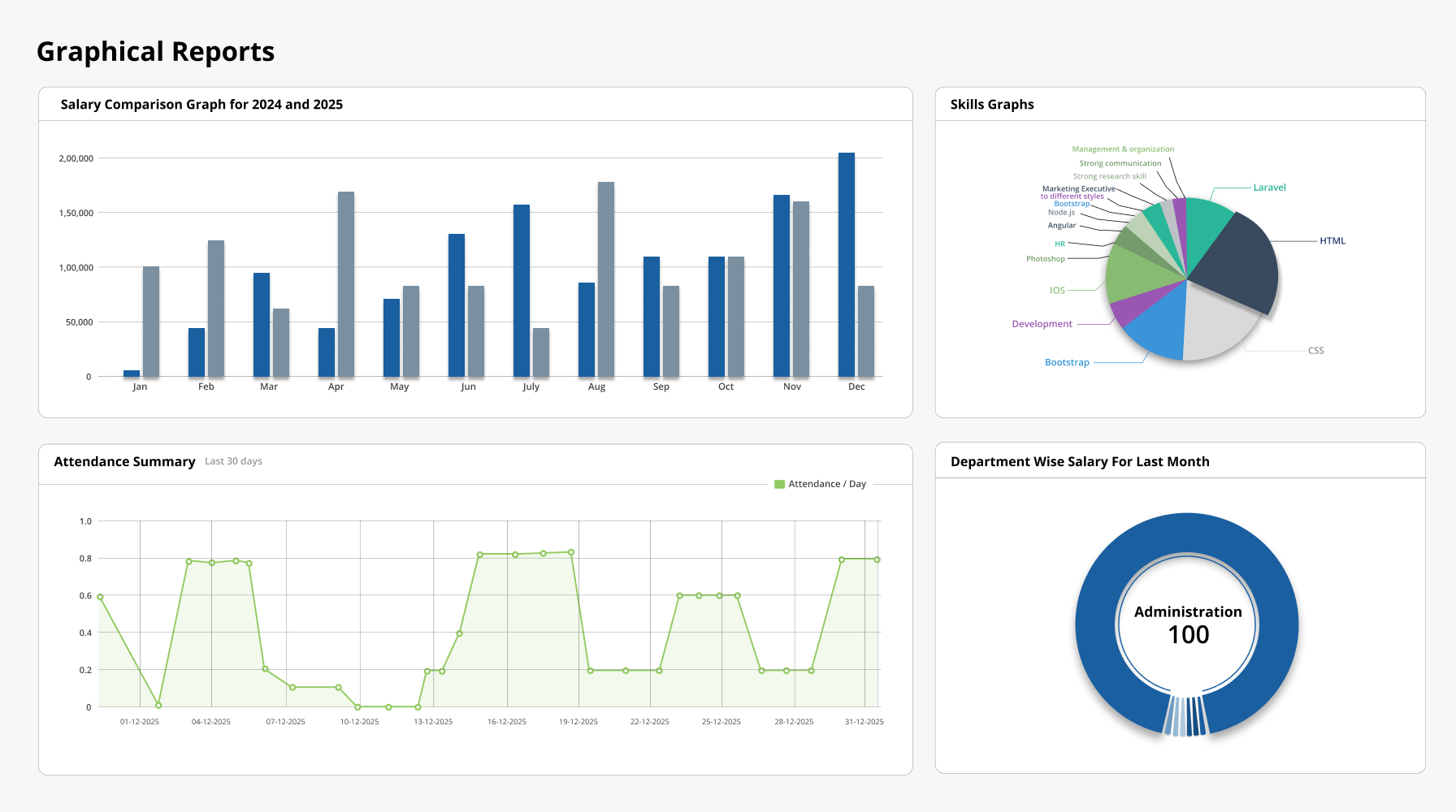
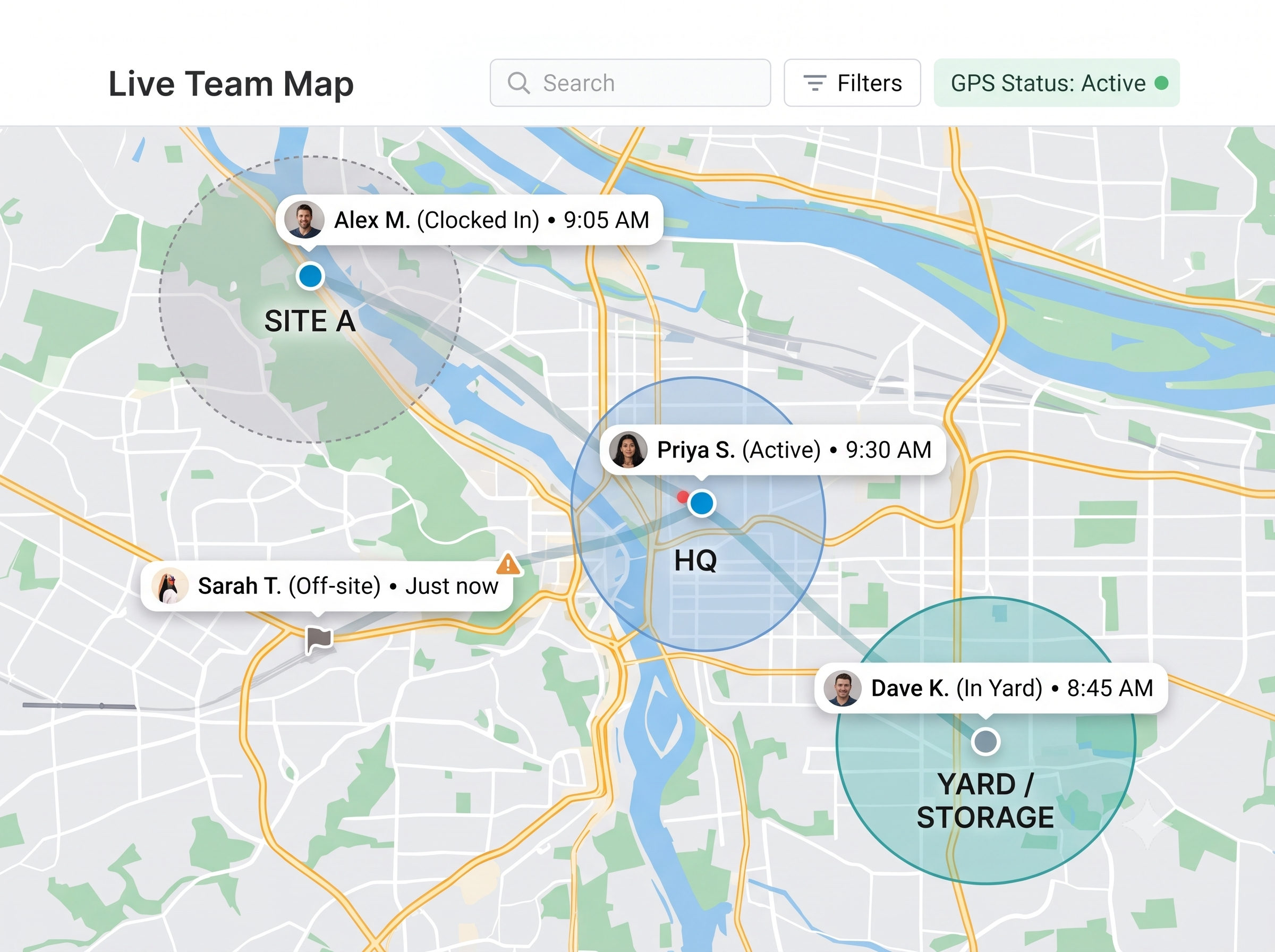
Geo-tagged attendance, shift scheduling and leave requests moved into one system with real-time balances. Transfers between sites carry balances with them, and managers approve time and leave from the same screen.
Every timesheet edit, approval and pay calculation is logged with user, timestamp and reason, and payroll records are retained centrally. Responding to an audit request became a report export rather than a spreadsheet reconstruction exercise.
/05 Scope
/06 Outcome
Location-aware rules and pre-payroll checks removed the manual errors that previously surfaced during audits and employee complaints.
Template-driven configuration cut the time to run correct payroll at a new warehouse from three to four weeks down to under a week.
With attendance flowing directly into payroll and no re-keying, the central team closes each cycle in a third of the time it used to take.
Bonuses and shift premiums are now part of the regular-rate calculation for every eligible employee, closing the client's largest back-pay exposure.
Consistent accrual rules and balances that follow employees between sites removed most of the disputes HR used to resolve by hand.
/07 Payoff
Correct-by-construction pay rules reduce the risk of back wages, liquidated damages and penalties — the costs that make wage-and-hour violations expensive long after the original error.
Opening a warehouse in a new state no longer means inventing a new payroll process. Expansion is a configuration change, not a compliance gamble.
The four-person payroll team now spends its time on labour-cost forecasting, peak-season staffing and overtime analysis instead of re-keying spreadsheets.
A complete, timestamped record of hours, approvals and calculations is always available, turning audits into routine exports.
Accurate pay, transparent pay slips and visible leave balances reduced payroll queries and improved retention among seasonal and shift staff.
Headcount, attendance, overtime and labour cost are reported from one system, giving leadership reliable numbers for pricing warehouse contracts.
/08 Wrap-up
Multi-state payroll compliance is not a spreadsheet problem that more care can fix — it is a rules problem that multiplies with every new location. By encoding each state's rules once in HRMWare and applying them automatically based on where work actually happened, this logistics operator made correct pay the default instead of the exception.
The result is a payroll function that scales with the business: new sites go live in days, audits are routine, and the payroll team spends its time helping the company plan labour rather than defending past pay runs. For any employer operating across multiple states, the lesson is the same — centralise the rules, automate the checks, and keep the audit trail by default.
/09 FAQ
/9 Client testimonials
Vyrazu built an AI agent that handles our entire supplier negotiation workflow. What took a team of 6 analysts now runs overnight, autonomously, with better outcomes than we achieved manually.
Their LLM-assisted migration tool cut our 18-month COBOL replatform to 11 weeks. The AI-generated tests caught edge cases our engineers hadn't even thought of. Genuinely impressive engineering.
The RAG pipeline they built pulls from 40,000 internal documents in milliseconds. Our support team now resolves tickets 3× faster and customer satisfaction scores have jumped 28 points.
We came in sceptical about AI agents in production. Vyrazu's reliability engineering approach — guardrails, observability, fallbacks — gave us the confidence to go live. Zero incidents in 8 months.
Their fraud detection model now catches 99.7% of fraudulent transactions at 2M+ per day. It paid back its entire development cost within the first 6 weeks of going live.
Vyrazu treats AI ROI as a first-class requirement. Every model ships with a business metric attached — cost saved, decisions automated, revenue influenced. That discipline is rare and exactly what we needed.
/10 Get in touch
Looking for a job? This form is for business enquiries — visit our Careers page or email hr [at] vyrazu [dot] com instead.
